












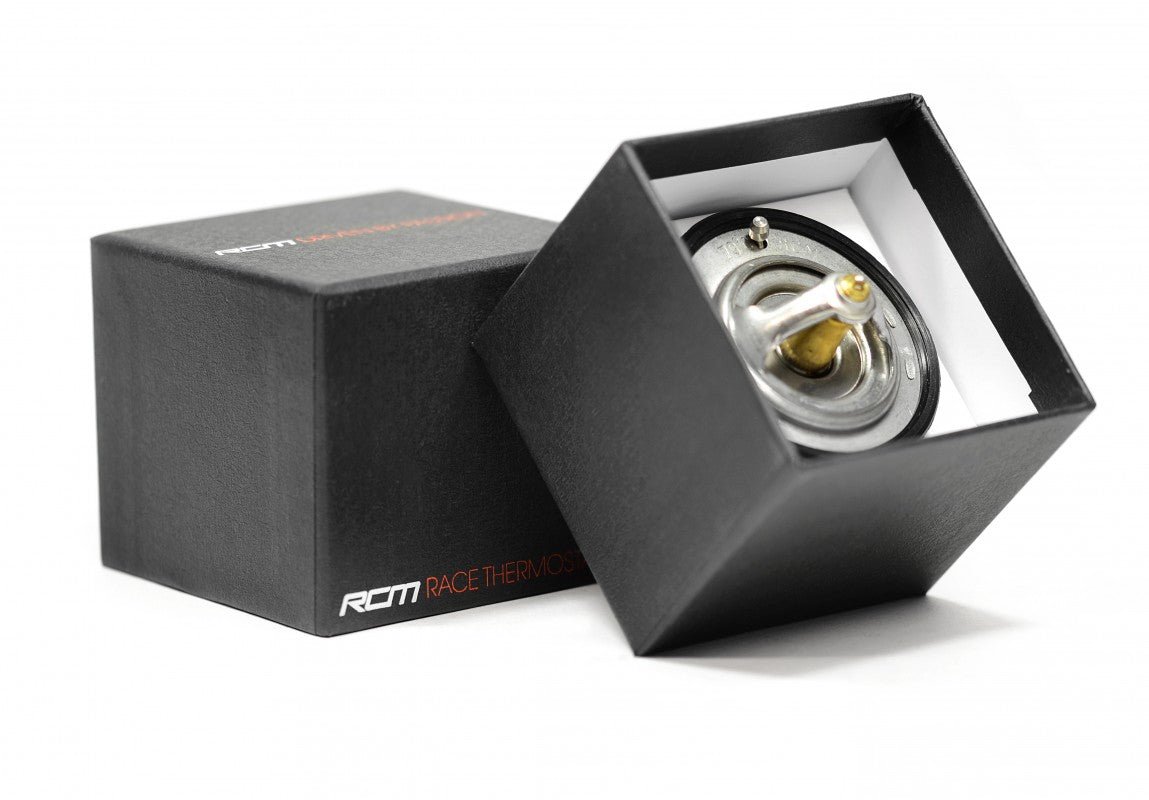

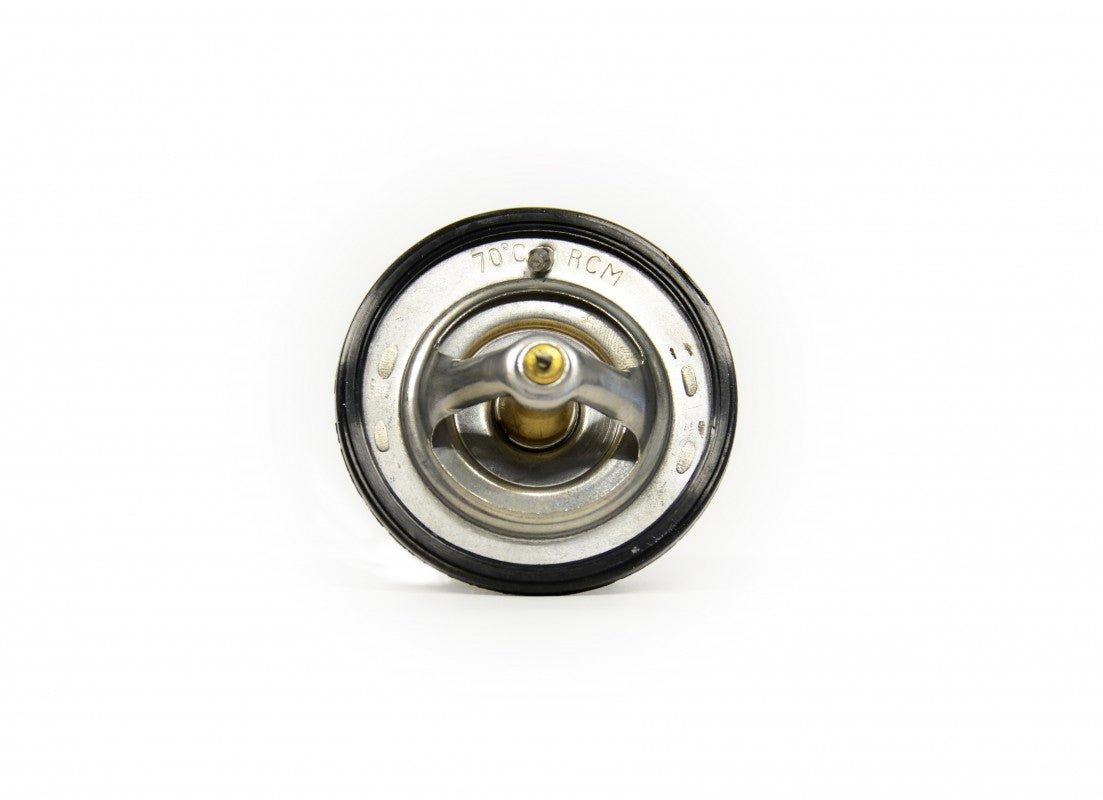
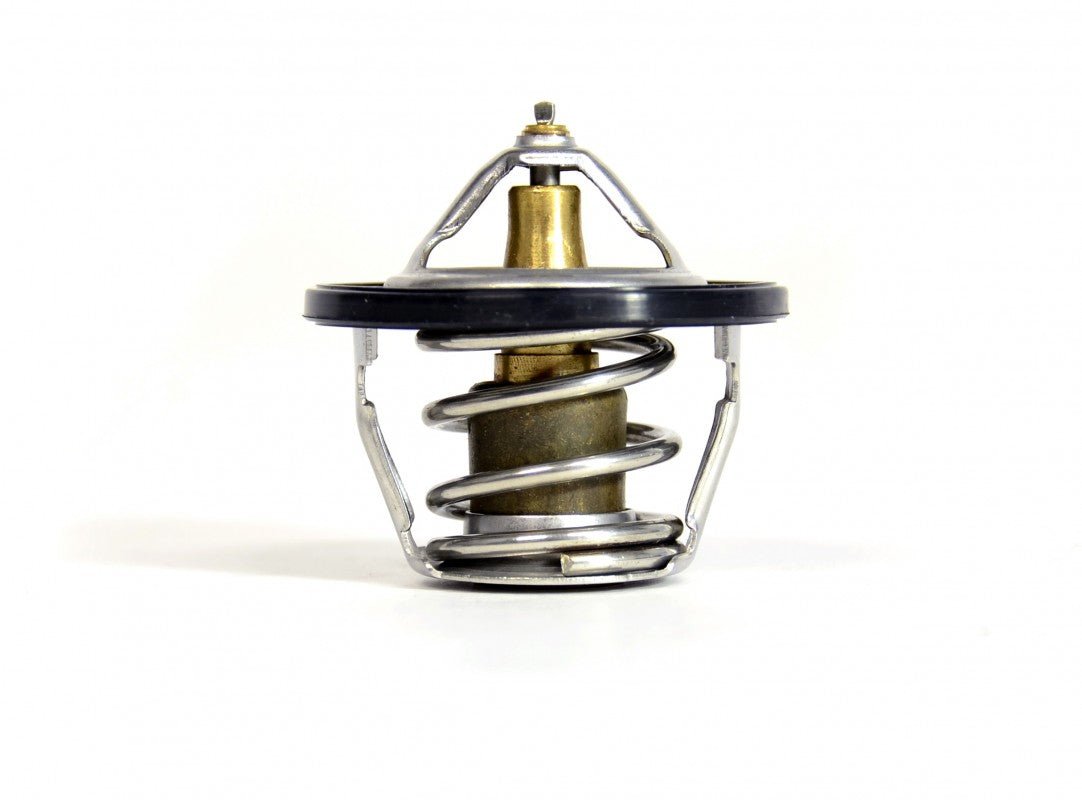
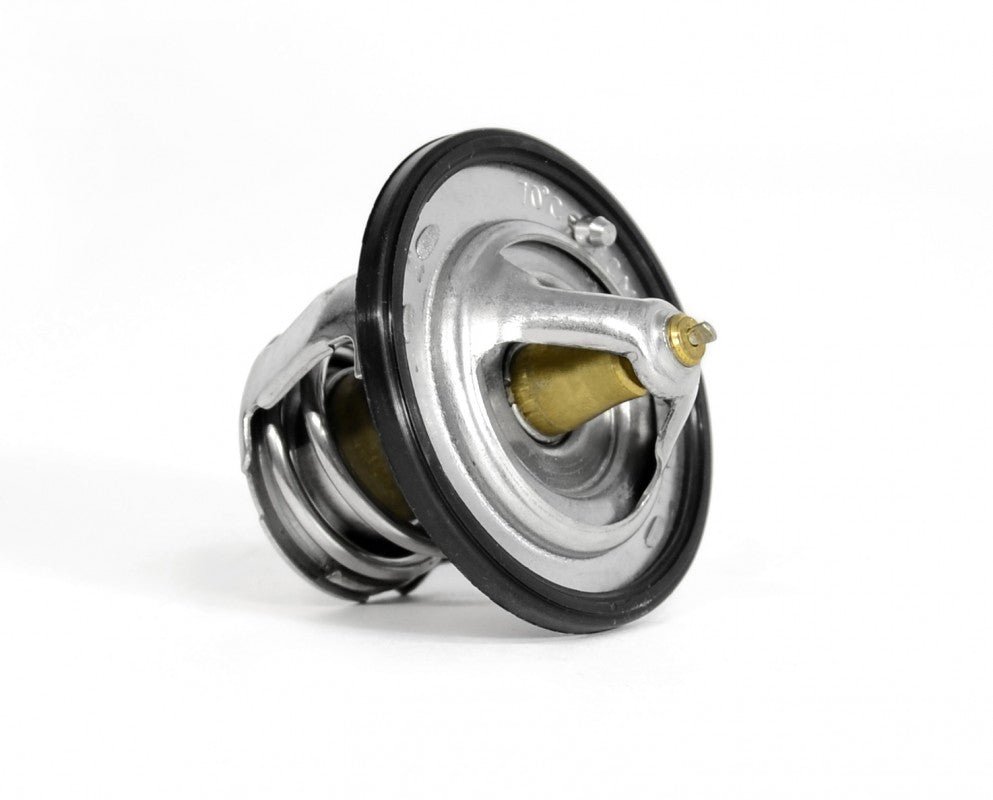
RCM Uprated Low Temperature Thermostat
£59.94
Low-temperature thermostat, designed to allow coolant to begin circulating earlier in the warm-up cycle than a standard thermostat. Suited to vehicles used on road or track where engine temperatures rise quickly. No specific opening temperature is stated in the supplied information.
SKU: RCM1708
EKS Fitment Advice
EKS currently identifies this product as Universal / Service Item
Compatibility of any product, greatly depends on model + year + trim + mods. Most Subaru’s are in different states of tune, so please contact Rich, from EKS to get clarity before purchasing.
Potential Applications
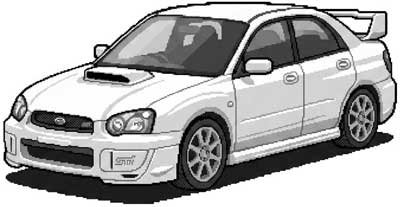
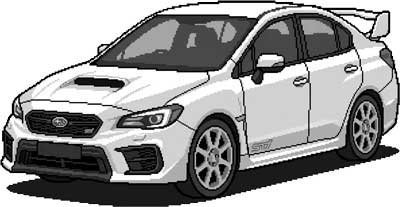
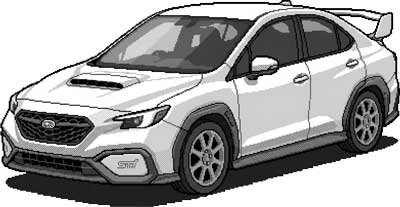
Subaru Impreza 1992-2000 (GC/GF), Subaru Impreza 2001-2002 (GD/GG Bugeye), Subaru Impreza 2003-2005 (GD/GG Blobeye), Subaru Impreza 2006-2007 (GD/GG Hawkeye), Subaru Impreza / WRX STI 2008-2013 (GR/GV), Subaru WRX STI 2014-2021 (VA/VAB), Subaru WRX 2021+ (VB), Subaru Forester 1996-2002 (SF), Subaru Forester 2003-2005 (SG early), Subaru Forester 2006-2007 (SG facelift), Subaru Forester 2008-2013 (SH), Subaru Forester 2014-2018 (SJ), Subaru Forester 2019+ (SK), Subaru BRZ 2012-2020 (ZC6), Subaru BRZ 2021+ (ZD8), Subaru Legacy 1992-2003, Subaru Legacy 2003-2009 (BL/BP), Subaru Legacy 2009-2014 (BM/BR), Subaru Legacy 2014+ / Outback related
Full List of EKS Fitment Evidence Types
For context, here are all categories of fitment according to EKS.
- Direct Fitment: means the product is currently listed as fitting the model/generation shown.
- Shared / Application Fitment: means the product may suit shared Subaru platforms, engines, turbos, drivetrains, brakes, cooling/intake setups or modified applications.
- Universal / Service Item: means the product is broadly useful for Subaru servicing, maintenance, workshop use or general ownership.
- Needs Confirmation: means the product appears relevant, but final fitment may depend on extra details.
Product Description
Low-temperature thermostat, designed so coolant begins circulating around the engine earlier than with a standard thermostat, helping engine temperatures fall sooner once under load.
Best suited to vehicles driven hard on road or track, where engine temperatures rise more quickly than in normal road use.
The supplied information does not specify an exact opening temperature. Please contact Scooby Upgrades to confirm the specification and compatibility with your vehicle before ordering.